
Creating a productive home office environment can make a significant difference in how efficiently you work and how much you enjoy your day. Whether you are new to remote work or want to improve your current setup, some simple changes can boost your focus and comfort. In this post, we’ll explore practical tips to help you design a workspace that supports productivity and well-being.
Choose the Right Location
The first step in creating a productive home office is choosing the best spot in your home. Ideally, select a quiet area with minimal distractions. This could be a spare room, a corner of the living room, or even a dedicated nook.
– Consider natural light: Sitting near a window can improve mood and reduce eye strain.
– Minimize noise: If possible, pick a space away from noisy appliances or busy family areas.
– Allow for privacy: A door or divider helps signal to others that you are working and need focus.
Invest in Comfortable Furniture
Comfort is key when you spend hours at your desk.
– Ergonomic chair: Choose a chair that supports your lower back and encourages good posture.
– Desk at the right height: Your desk should allow your forearms to rest comfortably and your feet to be flat on the floor or a footrest.
– Adjustable options: Consider sit-stand desks or adjustable chairs to change positions throughout the day, which can prevent stiffness.
Organize Your Workspace
Clutter can be distracting and reduce your ability to concentrate. Organizing your workspace helps keep your mind clear and tasks manageable.
– Use storage solutions: Shelves, drawers, and organizers keep supplies tidy.
– Keep essentials close: Items you use daily should be within easy reach.
– Maintain cable management: Use clips or ties to keep cords from tangling and creating a mess.
Optimize Lighting
Proper lighting can reduce eye strain and create an inviting workspace.
– Use natural light when possible: Position your desk so light doesn’t cause screen glare.
– Incorporate task lighting: A desk lamp can provide focused light on documents or work areas.
– Choose soft, adjustable lighting: Avoid harsh overhead lights that can cause fatigue.
Set Up Technology Thoughtfully
Your tech setup should support your workflow without adding frustration.
– Reliable internet connection: Fast and stable internet is critical for video calls and online tasks.
– Ergonomic accessories: Use external keyboards and mice to reduce strain.
– Dual monitors: If your work involves multitasking or large spreadsheets, dual screens can increase efficiency.
Create a Routine and Boundaries
A productive environment goes beyond physical setup — habits and routines matter too.
– Set regular work hours: Start and end your day consistently to create structure.
– Define break times: Step away from your desk regularly to recharge and reduce burnout.
– Communicate boundaries: Let household members know your work schedule to minimize interruptions.
Add Personal Touches
A workspace that feels welcoming can improve motivation and well-being.
– Incorporate plants: Houseplants can boost mood and purify the air.
– Display inspiring items: Art, photos, or motivational quotes can keep you energized.
– Use colors you like: Choose paint or décor in colors that make you feel calm or focused.
Maintain Daily and Weekly Cleanups
Keeping your office clean helps maintain a productive atmosphere.
– Daily tidying: Spend a few minutes clearing your desk at the end of each day.
– Weekly organizing: Review files and supplies to keep everything in order.
– Clean electronics: Regularly wipe screens and keyboards to prevent dust buildup.
—
By applying these straightforward tips, you can create a home office environment that supports your productivity and comfort. The goal is to design a space that helps you focus, reduces distractions, and makes working from home an enjoyable experience. With the right setup and habits, your home office can become a place where great work happens every day.
Related Posts
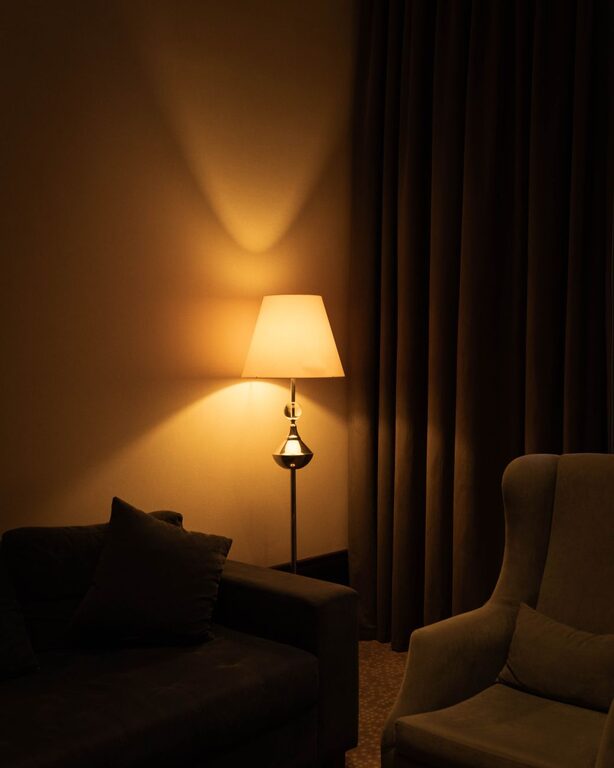
Tips for Creating a Cozy and Inviting Living Space on a Budget
Creating a cozy and inviting living space doesn’t have to…

Tips for Creating a Cozy and Productive Home Office Space
Creating a cozy and productive home office is essential for…

Tips for Creating a Cozy and Productive Home Office Space
Creating a home office that is both cozy and productive…